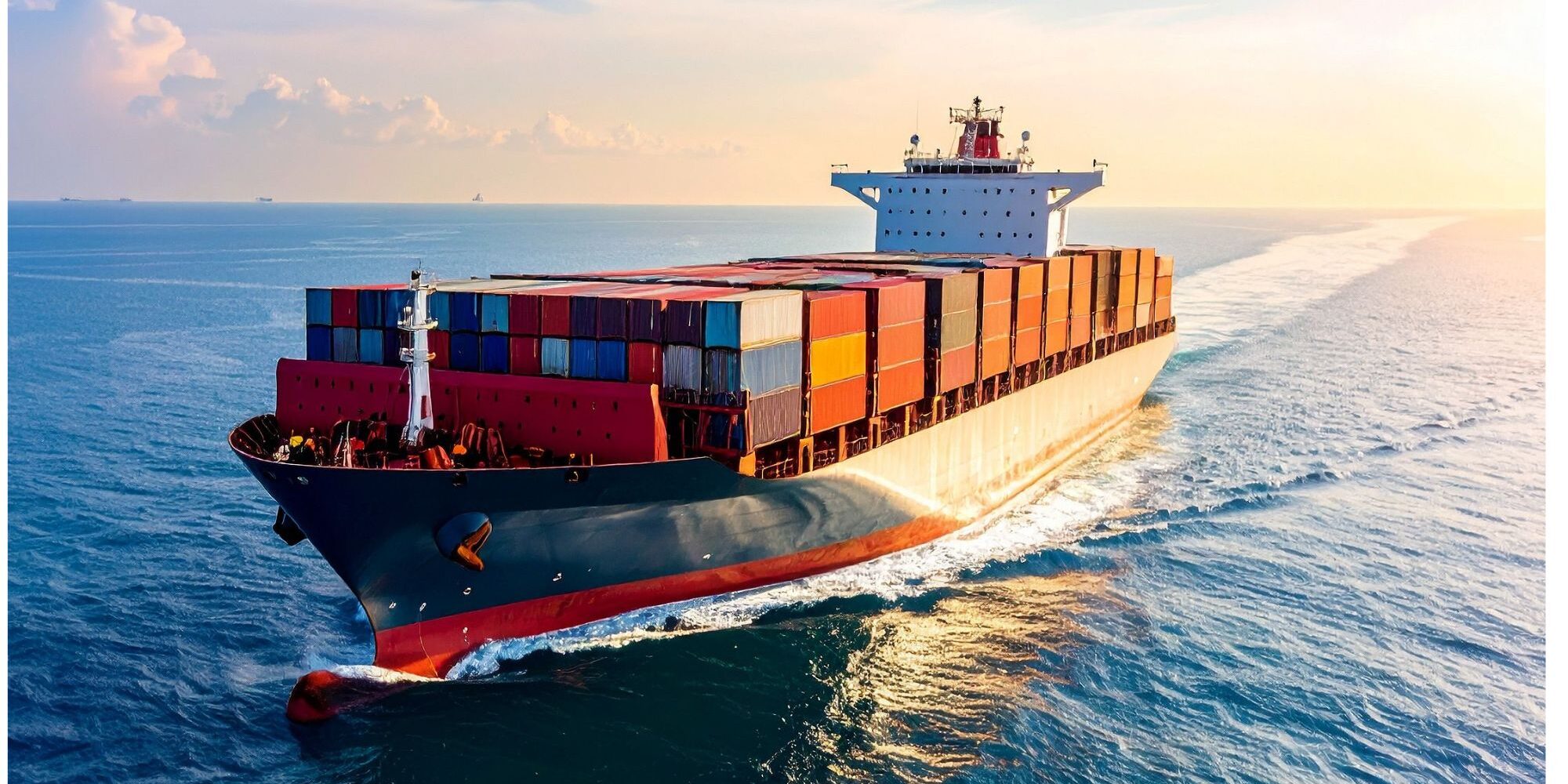
With Valour Consultancy’s Future of Autonomous Maritime Vessels – 2026 Edition nearing release, preliminary findings have been shared with early purchasers and programme participants. The updated data provides valuable insight into the evolving maritime autonomy landscape.
The study examines vessel volumes across the International Maritime Organization’s IMO four degrees of autonomy, alongside key enabling subsystems. Valour Consultancy categorises autonomous maritime technologies into three core segments:
- Autonomous, Perception and Navigation
- Vessel Control, Monitoring and Remote Operations Software
- Cloud Based Fleet Intelligence, Data Platforms, and Operational Oversight
Key Takeaways
- Autonomous perception and navigation technologies represent the largest segment, valued at nearly $540 million at the end of 2025.
- Kongsberg Maritime and Furuno are the leading players in this segment, generating significant revenues through integrated bridge systems and automation suites.
- Other major players including NACOS Marine, ABB, Sperry Marine, NAPA, Wärtsilä, Buffalo Automation, and Orca also derive substantial revenues from perception and navigation technologies, spanning sensor hardware, route optimisation, and voyage planning solutions.
- These technologies focus on collision avoidance and situational awareness, incorporating object detection, sensor integration, route optimisation, and real-time decision making. With the growing number of retrofitted Degree 1 autonomous vessels, this segment is expected to experience the strongest short-term growth.
- Vessel control, monitoring, and remote operations services were valued at approximately $240 million in 2025, with significant growth potential over the coming years.
- Segment B includes integrated platform management systems, remote operations centres, and supporting data infrastructure tools. Key players include Kongsberg Digital division, Robosys Automation, and NACOS.
- Cloud based fleet intelligence and data platform services in Segment C were valued at $256 million in 2025, with an average revenue of approximately $21,000 per vessel per year, typically lower than the other segments.
- Despite lower per vessel revenues, this segment is expected to scale significantly, driven by a mix of data analytic startups and established maritime OEMs, and is forecast to reach nearly $1.2 billion by 2035.
- Key drivers of maritime autonomy include crew shortages, rising labour costs, and the pursuit of operational efficiency. Combined with advances in AI and the potential for improved safety, autonomous vessels present a compelling value proposition, particularly given that over 85 per cent of global trade is transported by sea.
- However, regulatory approval and stakeholder acceptance, particularly from insurers and charterers, will ultimately determine the pace of adoption.
- Our report author, Joshua Flood, highlights an increasingly competitive and evolving landscape. While pilot projects have demonstrated technical feasibility, commercial viability remains a key differentiator, with companies competing across specific use cases while integrating multiple technologies into cohesive service offerings.
- Overall, the data indicates a clear trend towards increased adoption of autonomous technologies across the maritime industry, with total revenues within the report’s scope expected to exceed $6 billion over the next decade, more than double the satellite connectivity market.
The 2026 launch of Valour Consultancy’s comprehensive analysis builds on extensive research into the maritime technology market.
If you are interested in purchasing a copy, please click here to access our report proposal, which includes:
- Introduction to the report
- Key questions answered
- Proposed report content
- Report scope
- How to access the report