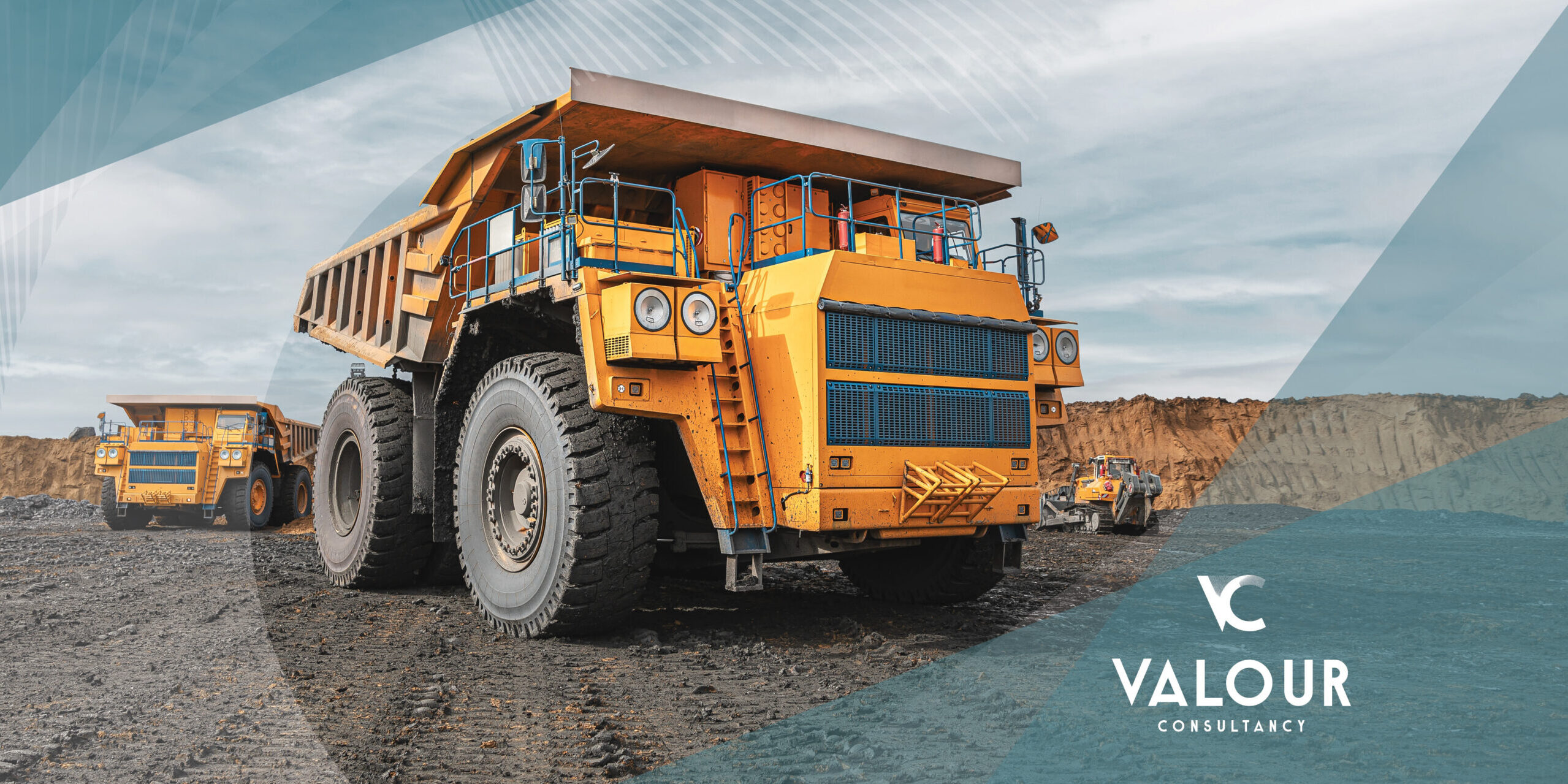
Improving safety continues to be a focal point for vendors throughout the mining industry with haulage taking centre stage. Today, humans continue to work closely alongside huge pieces of machinery, often in difficult underground conditions or across large open-pit sites where poor visibility, fatigue, bad weather and challenging terrain can all increase the risk of accidents.
In the United States, the Mine Safety and Health Administration (MSHA) recorded 33 mining fatalities during 2025, with powered haulage responsible for eight deaths – more than any other individual accident classification. Earlier in the year, MSHA had specifically highlighted powered haulage as the most common cause among the first ten fatalities recorded. Reducing the scale of interaction between people and machinery is crucial in reducing statistics of this nature. This is where autonomous vehicles and autonomous technology is gaining traction.
Autonomous vehicles reduce the need for humans operating in the mine by putting command and control in the hands of purpose-built platforms and governed by a remote operator. Adoption has ramped up slowly, but the autonomous fleet has gradually ticked upward into the thousands, across a range of vehicle types. Above ground, autonomous haul trucks are becoming commonplace in major mine sites, alongside autonomous drill rigs, dozers and increasingly smaller haulage vehicles. Below ground, autonomous LHDs and underground haul trucks are among the most widely deployed vehicle types, with autonomous and tele-remote drill rigs also becoming increasingly common.
The theory behind the safety benefits of autonomous mining vehicles is increasingly supported by real-world operating experience as the ecosystem matures and expands. Caterpillar reports that more than 820 autonomous trucks are now operating globally and have collectively hauled more than 11 billion tonnes without a reported injury associated with their autonomous operation.
In April 2026, Komatsu commissioned its 1,000th ultra-class autonomous haul truck equipped with FrontRunner AHS. Komatsu’s system uses obstacle-detection technology capable of identifying light vehicles and other mobile equipment and slowing or stopping the truck when necessary.
Both OEMs form part of a broadening autonomous mining ecosystem alongside Hitachi Construction Machinery, Epiroc, Sandvik and Liebherr.
Interviews carried out as part of our study indicate the current momentum is in retrofitting existing fleets, driving popularity of OEM-agnostic platforms, such as EACON’s ORCASTRA, Epiroc’s LinkOA (formerly Mobius) and ABD Solutions’ robotic solution. Systems of this nature allow mine operators to install autonomous technology onto older vehicles and also across mixed fleets. Meanwhile, dedicated systems from OEMs, such as Caterpillar (MineStar Command), Komatsu (FrontRunner) and Sandvik (AutoMine®) are projected to thrive as a feature within line-fit catalogues.
By the end of 2036, Valour Consultancy expects the autonomous fleet to reach almost 250,000 across several key mining markets: Australia, Brazil, Canada, India, Peru, South Africa and the United States. Early deployments will centre around Tier 1 mines, which are typically well catered for when it comes to connectivity with access to private LTE. But we’ve also observed intent for autonomous deployments in Tier 2 and 3 sites, which don’t always have the necessary funding for a dedicated terrestrial network. This opens the possibility for alternative connectivity options, notably satellite connectivity from the likes of SpaceX, OneWeb and Amazon to support fleet coordination, monitoring, telemetry and remote intervention.
Valour Consultancy is a multi-award-winning provider of high-quality market intelligence and consultancy services. Its latest short form report, “The Future of Connectivity in Mining – 2026” assesses the use of cellular, satcom, and Wi-Fi as part of autonomous vehicle deployments across open-pit and underground mines, with data split into tier 1,2, and 3 mines. The analysis will identify the regions primed for adoption of autonomous deployments, identify the key drivers and inhibitors, profile the key companies within the ecosystems, and provide market forecasts through to 2036. More information about this study can be found.
Arabella Kearney – 1st October 2026